
A Stitch in Time: Noticing
Mar 15, 2026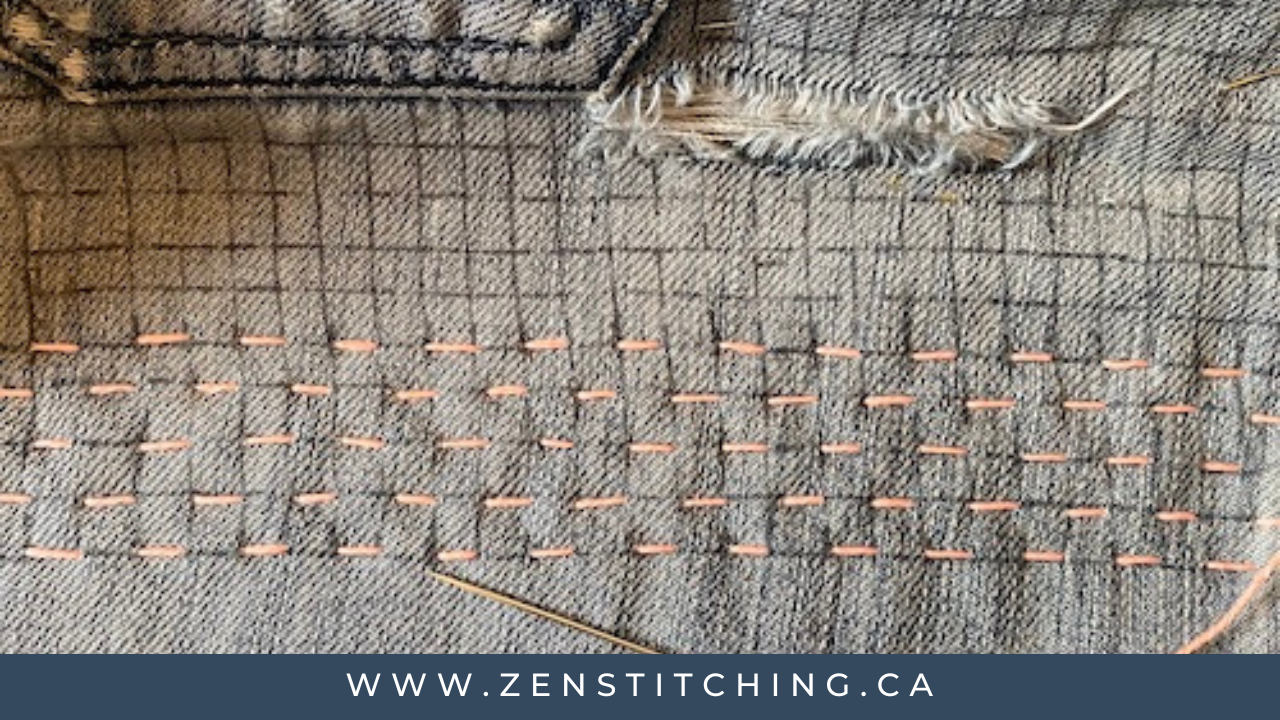
Have you ever heard the phrase, "a stitch in time saves nine?"
It’s usually shared as a reminder to fix things early, before a small problem becomes a larger one. It's easy to mistake it as a proverb about efficiency and making the best use of your time, but I've found it holds another meaning: the act of noticing is important.
In Zen Stitching, we often talk about slowing down… about the rhythm of the needle, and the quiet practice of paying attention.
Mending can be part of that same practice, not as something to rush through or fix, but as a way of noticing, responding, and caring for the things we already have.
It's a skill that takes practice; after all, we are taught to discard items when they no longer serve us, rather than repairing them, so we don't have much training when it comes to looking for signs of wear. But with a little effort, we can learn to see the signs before they become major problems, and we can make the clothes we love last longer. And in the process, we might just learn to slow down a little bit, and love the things we have a little more.
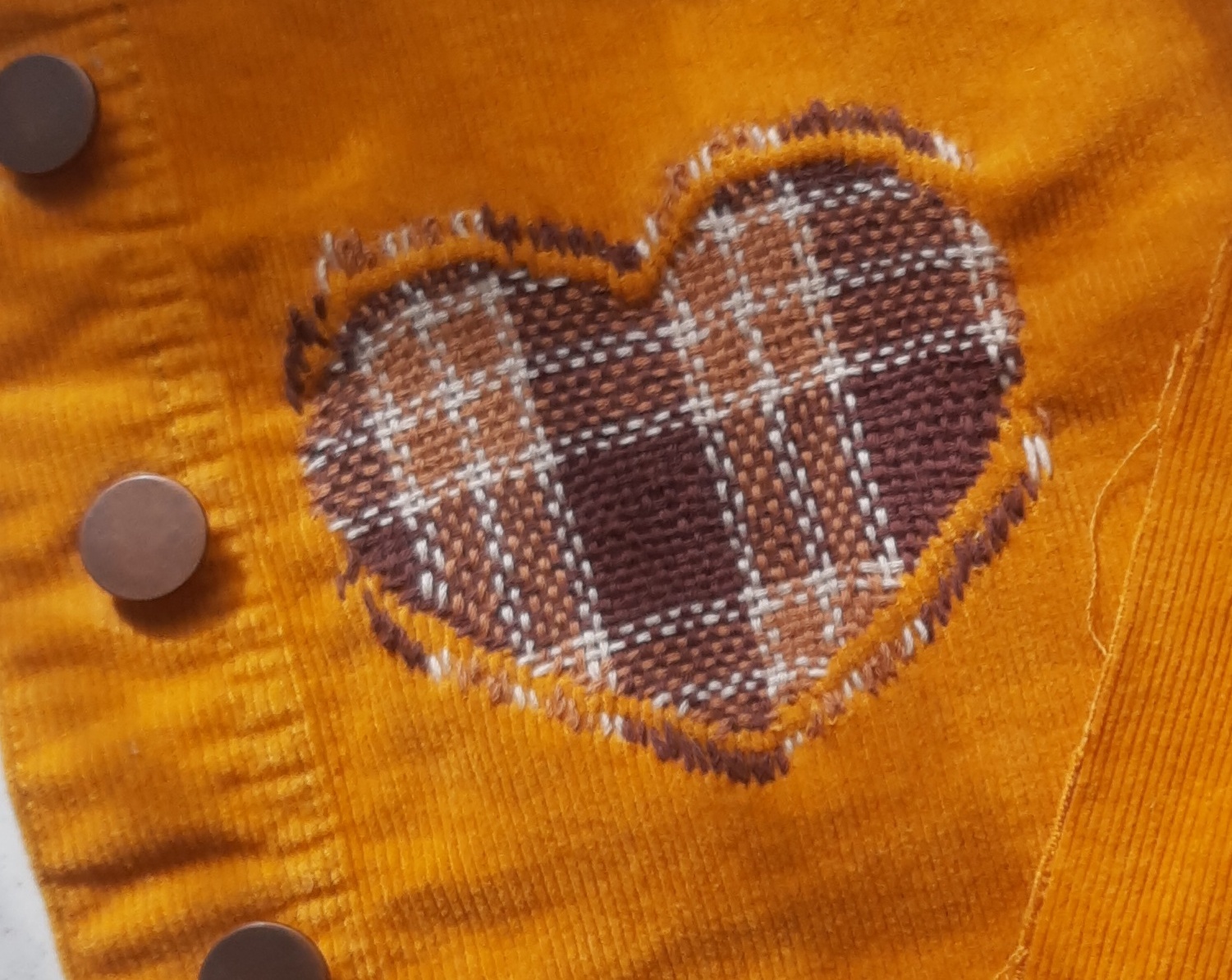
Mended by Amy, Zen Stitching's Community Coordinator
Learning the Signs
In order to find the signs of wear on our clothes before they turn into a problem, we need to first learn what to look for. So often, we only take the time to inspect when something has already gone wrong; a tear at the knee, a seam that gives way, a hole that seems to appear overnight. But if we are willing to look, we can see the signs that this damage is coming before it actually occurs, allowing us to fix the problem before it even happens - usually resulting in a cleaner look, if that's your style!
The first place to start is regular inspection. It's hard to see the changes in your garment if you don't have a good grasp of what it looks like without damage. A good place to start is pausing before you wash your garment: turn it inside out, run your eyes over it, run your hands over it. What does the fabric feel like - is it thick, thin, stiff, soft? This is also a good opportunity to check the care tags and make sure you are washing your garment appropriately, too.
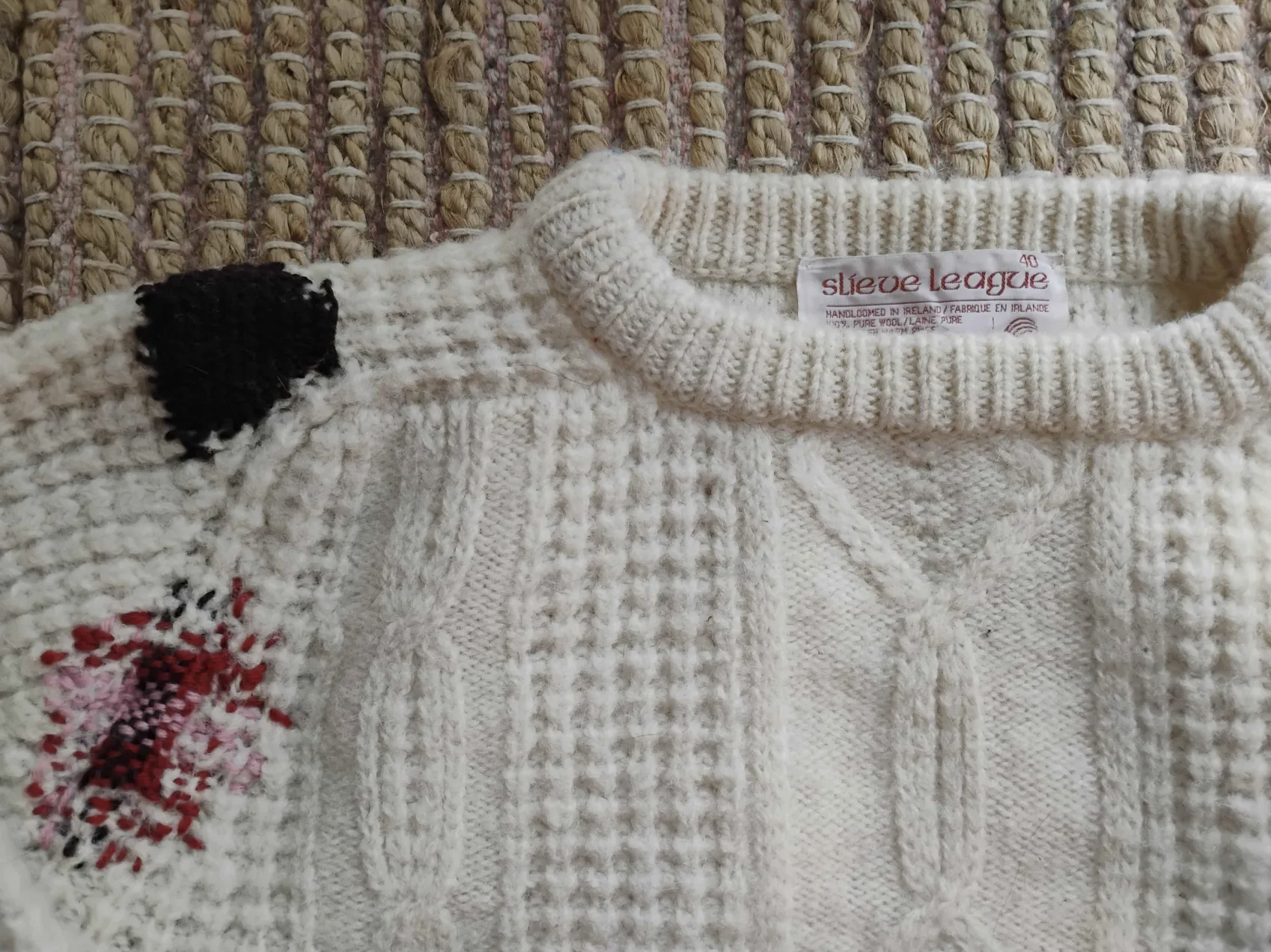
Mended by Amy, Zen Stitching's Community Coordinator
When you begin inspecting your garments, there are certain spots that tend to get the most wear. It's good to pay special attention to...
- Elbows and knees, and any other spots the fabric bends and stretches with movement
- Along cuffs and collars, where edges get rubbed
- At the inner thighs, where fabric can wear thin from friction
- Around pockets and seams, where the fabric may get continually stressed
When you start to look, you will often notice changes in the fabric before the actual holes begin to show:
- Softness in the fabric, particularly around knees, elbows, cuffs, collars, and friction points
- Changes in colour or texture - you may notice pilling in high-wear areas, for example
- Loose threads
- Seams that appear loosened or strained
- Thinness in certain areas - if you hold the piece up to the light, are there spots where more light is coming through the fabric than others?
These are the signs that damage is in progress, and a tear is on the way. In other words - you've caught it in time, and a stitch now could save you nine later!
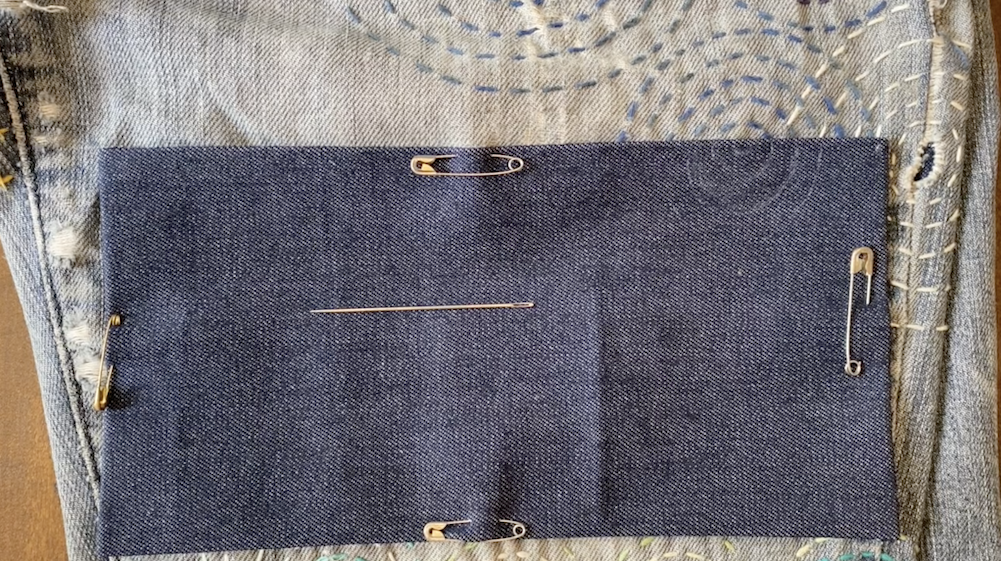
Mend in progress by Kate Ward
Permission to Learn
Once we learn how to spot the signs of wear, we might feel a certain pressure to fix it "the right way." We might get caught up in the research phase, trying to nail down exactly the right method for the type of wear you're dealing with.
The thing is, there isn't one "right" way to fix something. The mending, much like the noticing, is a practice.
There is no single right way to care for your clothes. Some mends will be small and nearly invisible, while others may stand out, stitched in contrasting thread or layered with patches. Some repairs will hold beautifully for years, while others may need to be revisited again and again.
I've learned that having to re-patch over a place I've fixed previously isn't a failure. It's part of the relationship I have with my garments, and a part of the learning process. Sometimes the stitches are uneven or we don't cut a patch big enough to cover the area we need to fix. Even if you're a seasoned stitcher, there can be challenges to working with new fabrics or tears in places we haven't dealt with before. There is always something new to learn.
The same is true for noticing.
At first, you might not notice until the damage is already done. But over time, your eye learns to look for the signs. Your hands become more familiar with the feel of different fabrics. You start to recognize the signals earlier, and respond with a little more ease.

Mend in progress by Kate Ward
A Practice in Patience
Noticing and mending both ask patience of us. Rather than rushing to fix every flaw, or keep everything in perfect condition, it's about having the presence to be able to respond to the challenges that are presented to us, and responding with care.
So the next time you take off a garment, or fill the washing machine, consider taking a moment to pause. Notice the little things that might be due for some attention. You may not have anything in need of mending today, but really, it's all about the practice.
And the practice is learning to notice; to pause; to sit, even briefly, with the cloth in your hands.
Over time, that quiet attention becomes part of the rhythm of your stitching and part of how you move through the world.
If you'd like a little guidance in beginning your mending journey, you can get my free guide to learning to stitch with Sashiko here!

