
Seasonal Changes: Shifting Our Wardrobes
Nov 01, 2026
November is here, the last of the clocks have shifted back, and in the Northern hemisphere, the days are shortening and the weather is cooling. Wherever you are in the world, the seasonal shift brings with it many transitions, both in nature and in our daily lives. The trees shed their leaves or begin to blossom, the rivers begin to freeze or swell, the critters begin to slumber or wake. The way we dress changes, where we spend our time changes, and even the way we cook and eat changes.
As I begin to notice these changes, there are a few things I like to do to prepare myself and my space for the transition, beginning with my wardrobe. I get a huge amount of joy from changing my wardrobe over seasonally, and there are more reasons to do so than you might think! Spending this time with our clothing not only helps us enjoy it more, but it also gives us an opportunity to spot damage early, to get excited about the clothes we haven't seen in a while, and gives us additional space in our closets.
While I'll be especially talking about how I prepare for Autumn to become Winter, as that's the shift happening near me, I think many of these points can be applicable in the opposite hemisphere as well.
Why Change Out Seasonal Clothes?
If you're someone who has a ton of closet space, or not that many clothes, you may be able to comfortably fit all of your clothes in your closet, dresser, or wardrobe. In that case, you may be wondering why you should bother with packing away your seasonal clothing at all, when it's much less effort to just have everything out all the time. I'm here to tell you that there are three good reasons that make all the effort worthwhile.
1. Find Damage Early
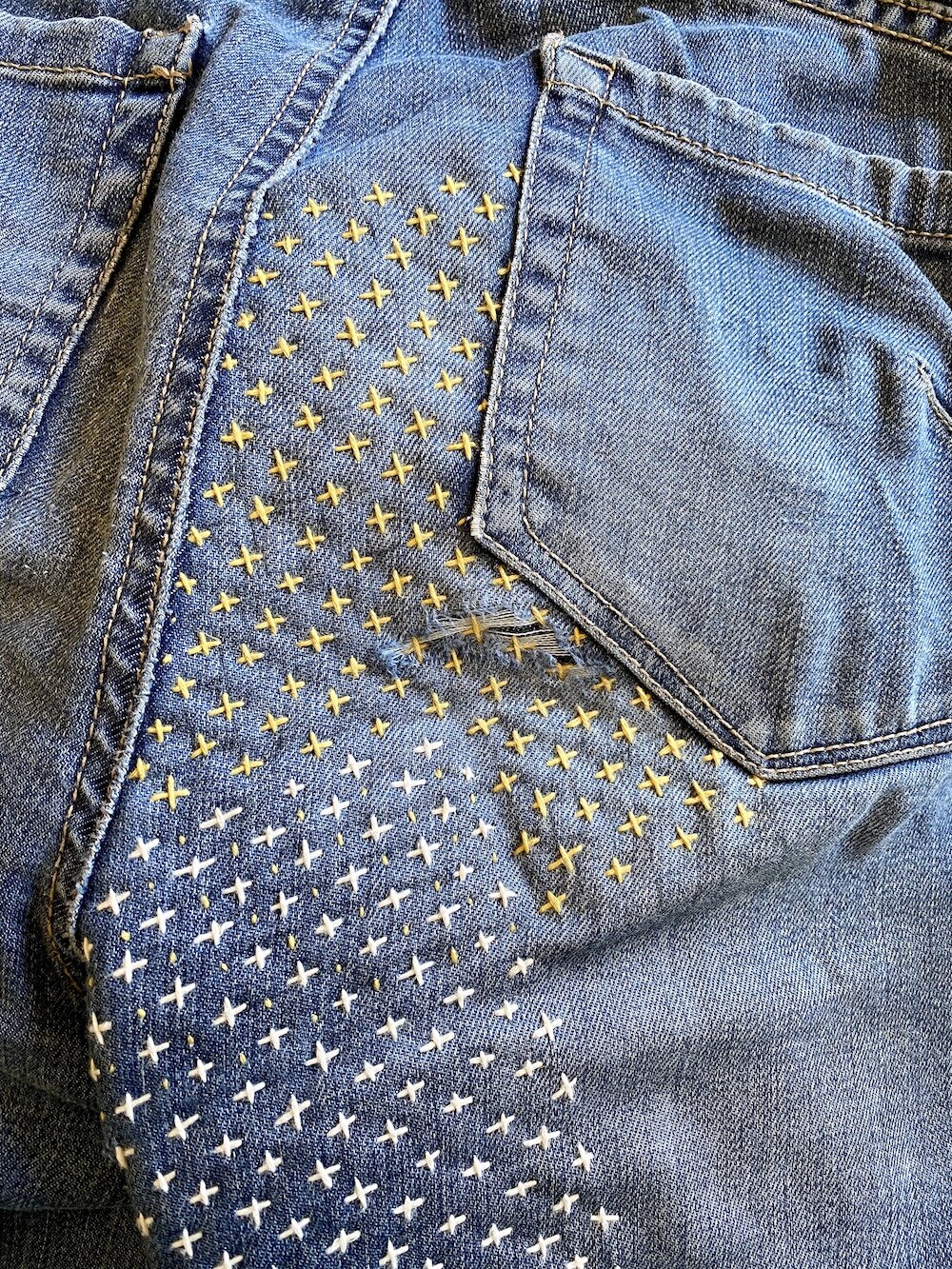
One of the most practical reasons for packing clothes away each season is that it gives you an excellent opportunity to spot signs of wear or damage before they become a big problem. Perhaps you've heard the phrase "a stitch in time saves nine" - that's exactly where it comes from.
If you find, for example, the thighs of your jeans are starting to pill or wear thin, try adding a patch now to keep the hole from fully forming. As a bonus, using some Sashiko stitching can really help strengthen the weak fabric, as well - just go for a colour that matches your clothing if it's in an area you don't want to draw attention to, like the thighs, crotch, or bottom.
It's also a great time to inspect knitwear to make sure there are no signs of moth or pest damage. If you do find small holes, it's a good idea to freeze your woollens for a couple of days. I like to freeze for 48 hours, remove for a day, and then freeze again for 48 more hours, as the drastic temperature changes can help make sure the pests are dealt with.
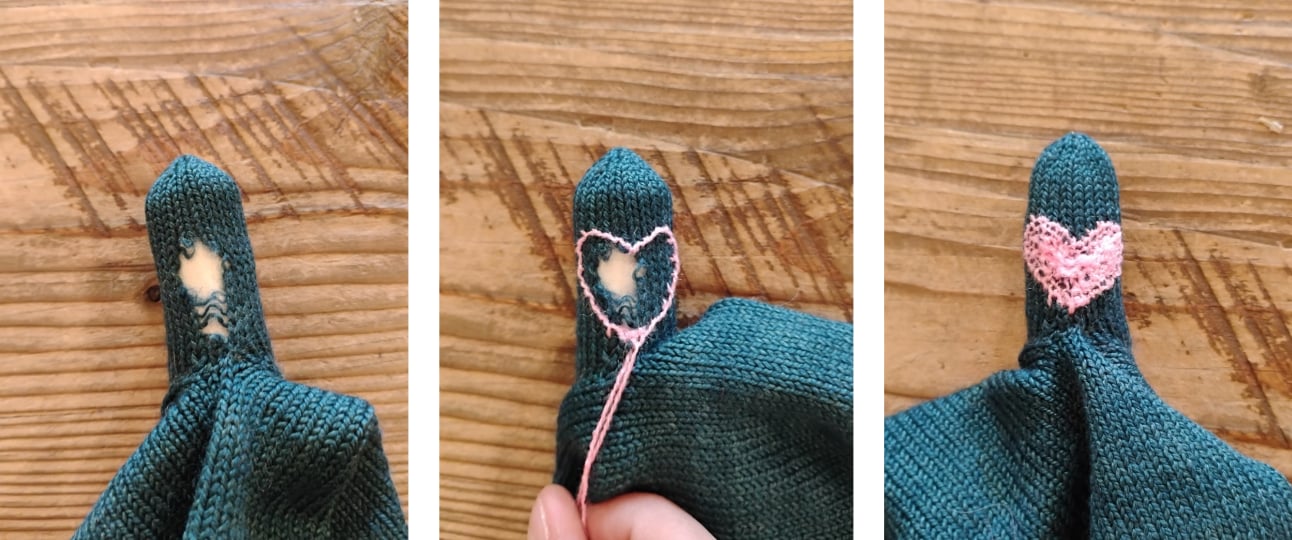
If you have knits that are starting to wear thin, you can implement some preventative darning, or even Swiss darning (also called duplicate stitch), which mimics the knitted stitches of your garment, giving you the option to make it subtle or visible.
2. Absence Makes the Heart Grow Fonder
I am a pretty eco-minded person, and as such, I try to be pretty conscious of my consumption habits. As a result, I don't own a ton of clothing, and in fact, a seasonal wardrobe changeover is not purely necessary for me - I have enough space to keep all of my clothes available at all times. However, I've found it to be hugely helpful for me to not have all of my clothing in sight at all times.
Before I started packing my off-season clothes away, I would find myself occasionally picking something up at the thrift store, and rotating something from my wardrobe out in its place, because I can only wear so many clothes. Since I've begun changing the clothing I have available by season, I've found that I am much more attached to the clothing I have. This means that I am less likely to pick something up at the thrift store, because I love all of the things in my wardrobe and I don't want to replace any of them.
Now, when I pull my winter clothes out of storage, I am genuinely excited to see the things that I haven't worn in six months. It makes me excited to wear these items and love on them all season long, and shopping gets further and further from my mind - a benefit to both my wallet, and the planet.
3. Fewer Options, Fewer Decisions
Have you ever heard of the term decision fatigue, or perhaps the more playful-sounding analysis paralysis? Simply put, to summarize J. Tierney at the New York Times, the idea is that we have a finite amount of decision-making power each day, and as we make more decisions throughout the day, we get worse and worse at doing it.
You may have heard this term to explain why someone like Steve Jobs would only wear one outfit -having a "uniform" means that you don't need to make a decision about what to wear each morning. Or, maybe more importantly, it means you don't have to make dozens of decisions about what not to wear each morning, as you encounter different garments in your wardrobe. And while you could absolutely narrow down your clothing to one uniform if that makes you happy, I think packing away our seasonal clothing is an easier way to reduce those morning decisions without reducing your wardrobe down entirely.
When we pack away clothing that is out of season, it removes some of the superfluous decision-making that we may not have even realized was happening. We may not have consciously been thinking about it as a decision each time we pass over the tank top in the drawer in favour of long sleeves, but it is a bit of mental clutter that we might benefit from cleaning up.
My Tips for a Closet Changeover
If this is your first time packing away your seasonal clothing, it will look a little bit different to someone who is both packing and unpacking at the same time.
Consider any supplies you might need to pack things up - for instance, if you are in an area that gets moths, you may want to have an airtight bin for any silks or wools (depending on the season). For garments where pests are not a concern, consider what you already have on hand and the space that is available to you for storage. You may have some extra baskets that slide nicely under your bed, large totes/bins that aren't in use, or even moving boxes. I have one friend who doesn't do a lot of traveling, so she'll pack up her off-season clothing in her suitcase so that she doesn't need to find space for both her suitcase and her off-season clothes separately.

Once you have your supplies, it's time to begin! How you pack things up will depend on your specific situation. I like to go through my drawers one at a time and start pulling out the things I know I only wear in the season that's just passed.
For example, because we are heading into winter, I am personally packing up:
- ankle socks
- shorts, skirts, and dresses (with the exception of a few that I might layer)
- most t-shirts and tank tops
- rain coats/windbreakers/light jackets
The things that you pack up will look different depending on your climate. I'm in Eastern Canada, and we get damp, cold weather and lots of snow, so I know I will want my heavier jackets, taller socks, and warm clothing. If you live somewhere like the UK, for instance, you might choose not to pack up lighter jackets or raincoats, because those might be more appropriate for year-round use.
As you pack, remember to check over your clothing. This is a great opportunity to see if your socks need darning, if any buttons or seams have come loose, if your jeans are starting to wear through at the thighs. If you notice damage or signs of wear, take the opportunity to do it now, before the garments are packed away. That way, when you unpack them again next season, they'll be fresh and ready for wearing.
Try It Out
I hope you'll consider a seasonal closet changeover this month, to help your clothes last longer, to help you love them more, and to help reduce your mental load. If you decide to give it a try, take a before and after photo - you may be astounded at how much lighter your clothing storage space feels. If you're up to it, I'd love for you to post the photo and tag me @zenstitching, because you never know who you will inspire!
And if you happen to find some damage and would like to use Sashiko to repair it, my Sashiko Essentials guide will help walk you through how to do that. You can get it for free here!

